Symposium AI and Technology
S4 - Gamifying CEGEP Science Education: Exploring Tailored Educational Video Games for Enhanced Classroom Learning in Physics, Biology and Chemistry
The objective of this study was to conceptualize and implement three educational video games in biology, chemistry, and physics CEGEP classes to meet the needs of diverse science learners. As such, this presentation will focus on three teachers’ process of designing their video games by drawing on key educational theories (e.g., Bruner’s theory of instruction). The presentation will also discuss the effects of the video games on CEGEP students’ learning experiences and academic achievement.
Presenter(s)
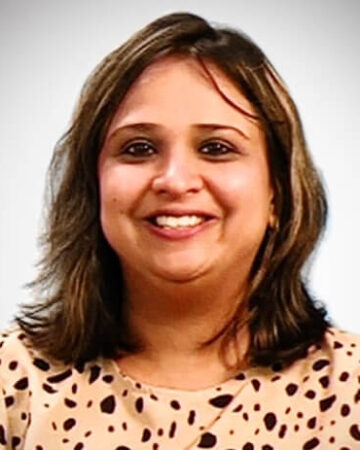
Neerusha Gokool
Université de Montréal, MontrealDr. Neerusha B. Gokool is an exemplary educator whose innovative approach to teaching, mentorship, and pedagogical leadership has had a profound impact on her students and the broader educational community. Her commitment to student-centered learning is evident in her transformative courses, such as Gestion de classe, where she fosters active, immersive, and experiential learning. Through activities like the “Think-on-your-feet” challenge and the “Anonymous Roundtable Box,” Dr. B. Gokool creates a classroom environment that encourages creativity, adaptability, and vulnerability. These strategies prepare students to navigate the complexities of teaching with empathy and confidence.
Beyond the classroom, Dr. B. Gokool is a leader in pedagogical innovation. She spearheaded the Université de Montréal EduTech GameJam, an event that promotes interdisciplinary collaboration in developing educational games, and co-founded a cutting-edge simulation project that allows students to experiment with classroom management strategies. Her approach integrates Universal Design for Learning (UDL), responsive pedagogy, and digital innovation, making her a trailblazer in the use of technology to enhance student engagement and learning outcomes.
Dr. B. Gokool’s mentorship extends beyond her students, shaping the teaching culture within her department and inspiring faculty to embrace new pedagogical practices. Her unwavering dedication to professional development and continuous learning models lifelong growth for both students and colleagues. Through her transformative contributions to higher education, Dr. B. Gokool embodies the qualities celebrated by the SALTISE Best Practices & Pedagogical Innovators Award.
Dr. B. Gokool obtained her PhD in Education at McGill University. Her research at that time focused on exploring academic barriers that college (CEGEP) students with learning disabilities (LD) encounter in science education. As well, she examined barriers that college science teachers experience in teaching their students with LD, and strategies that they employ to overcome their challenges. In collaboration with professionals and teachers at John Abbott CEGEP, she also investigated the impact of an intervention-based strategy on academic outcomes and motivation levels of student athletes. She was also a part-time course lecturer in the Department of Animal Science, McGill University.

Nadim Boukhira
Dawson College, Montreal
Tania Peres
Faculty , John Abbott College, MontrealTania Peres is an exceptional teacher and her sustained, innovative, and deeply impactful contributions to student learning, faculty development, and program leadership at John Abbott College cannot be understated. Throughout her 20+ year career, she has demonstrated a strong commitment to active, student-centred pedagogy, designing classrooms where students are continuously engaged through collaborative problem solving, guided inquiry, hands-on laboratory work, and creative activities such as games and simulations. Her teaching is marked by an impressive breadth of strategies that have helped students reinforce complex chemistry concepts in accessible and motivating ways.
Tania’s influence extends far beyond the classroom. She has developed a substantial repository of instructional materials that she freely shares with colleagues, and she routinely mentors new faculty. Her leadership in pedagogical innovation includes grant-supported development of online chemistry games, coaching at game-a-thons, and presentations at institutional and intercollegiate venues, including SALTISE. She has also contributed to province-wide initiatives, such as the creation of teaching resources to support Indigenous students transitioning to cégep.
Equally notable is Tania’s dedication to inclusivity and collaboration. She has redesigned courses to improve access to laboratory experiences for both science and non-science students, collaborated across departments to create interdisciplinary learning opportunities, and played a central role in developing and coordinating key components of both the Science and Arts and Sciences programs. As a coordinator and mentor, she is widely regarded by students as a trusted guide and role model. Tania Peres exemplifies excellence in teaching practice through innovation, generosity, leadership, and a profound commitment to student success.